What the research says about lifting
Plain-English summaries of the evidence on training and nutrition, each backed by the most cited peer-reviewed studies. Educational content only — not medical advice.
Caffeine →
Caffeine is a well-studied performance aid. It modestly improves strength, power and muscular endurance and lowers perceived effort.
15 studies reviewed
Citrulline →
Citrulline malate is a nitric oxide precursor used in pre-workouts. Meta-analyses find a small improvement in repetitions and high-intensity performance.
14 studies reviewed

Cold plunges and ice baths →
Cold water immersion after training is popular for recovery. Controlled trials show it reduces soreness but can blunt long-term muscle growth when used right after lifting.
14 studies reviewed
Creatine →
Creatine monohydrate is the most researched sports supplement. Meta-analyses consistently show it increases strength and lean mass gains when combined with resistance training, with a strong safety record in healthy adults.
15 studies reviewed
Deloads and periodization →
Periodization organizes training into phases, and deloads are planned lighter periods. Structured plans tend to beat non-varied training for strength.
5 studies reviewed
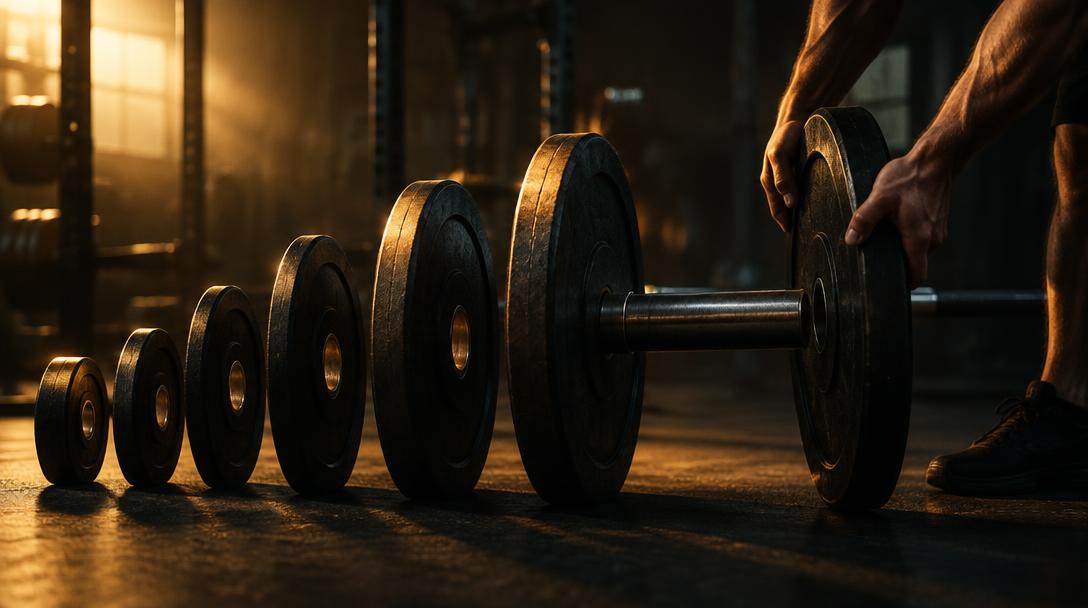
Progressive overload →
Progressive overload means gradually increasing training demands over time. It is the core principle behind long-term strength and muscle gains.
12 studies reviewed
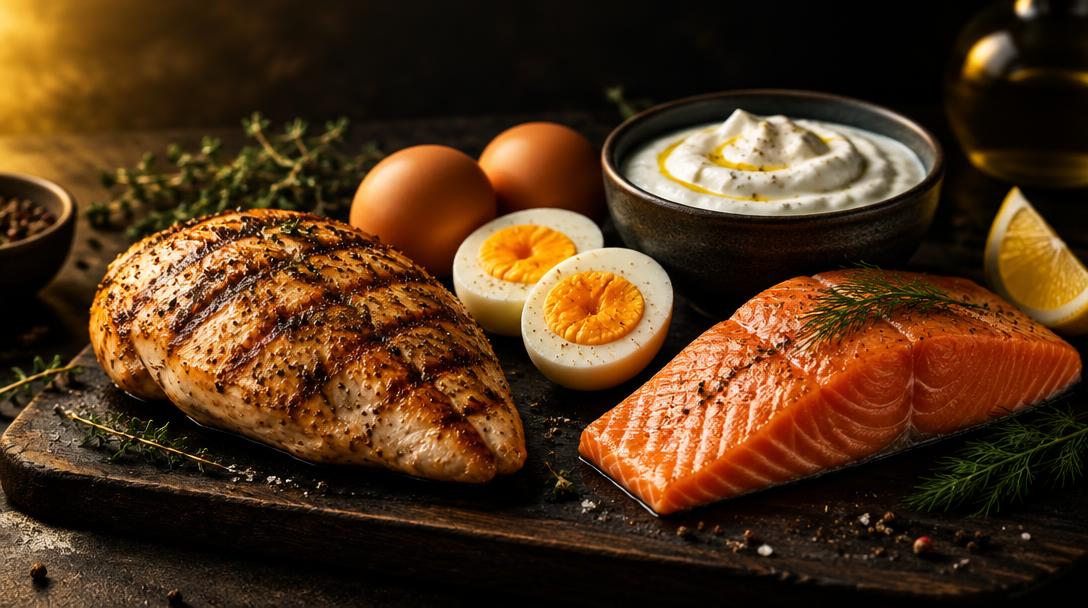
Protein intake →
Protein intake drives muscle repair and growth. Research points to a daily total of about 1.6 g per kg of bodyweight as the point where extra protein stops adding measurable muscle gains for most lifters.
14 studies reviewed
Rep ranges →
The number of reps per set changes which adaptations you emphasise. Muscle growth is similar across a wide range of loads when sets go close to failure, while maximal strength favours heavy loads.
0 studies reviewed

Rest between sets →
How long you rest between sets changes how much work you can do. Longer rests let you keep weight and reps high, which tends to favor both strength and muscle growth.
10 studies reviewed
RPE and RIR →
RPE (rate of perceived exertion) based on reps in reserve lets lifters auto-regulate training load. Research shows it is a valid measure of effort and produces strength gains comparable to percentage-based programs.
15 studies reviewed

Sleep and recovery →
Sleep affects hormone levels, recovery and training performance. Sleep loss is linked to lower strength and impaired muscle recovery.
13 studies reviewed
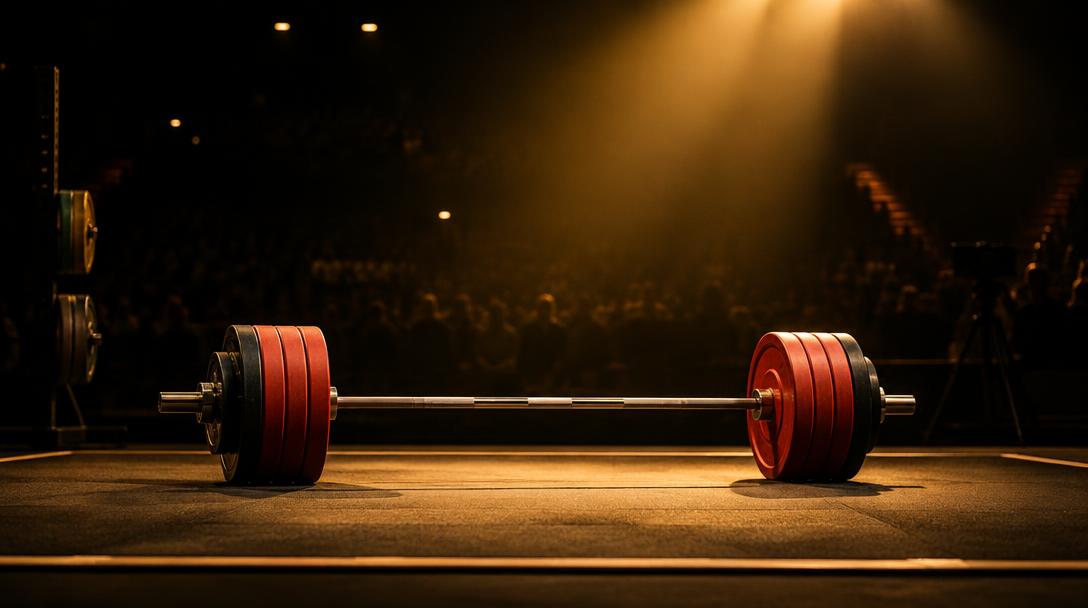
Tapering for a meet →
Tapering is a short reduction in training before competition that lets fatigue dissipate while maintaining strength, used by most competitive powerlifters.
14 studies reviewed
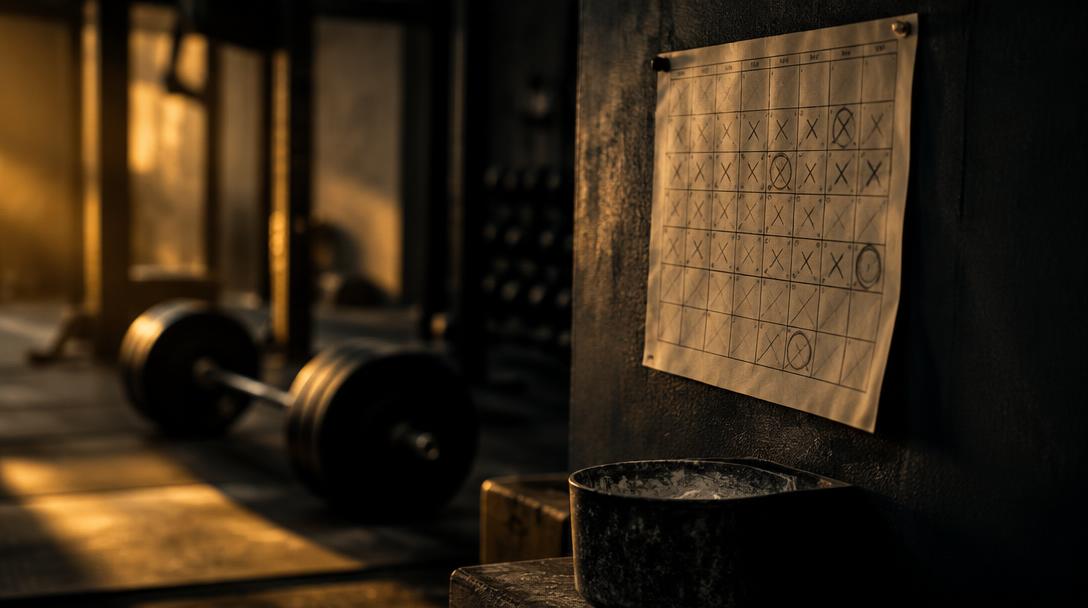
Training frequency →
Training frequency is how often you train each muscle per week. When weekly volume is matched, frequency has a small effect, so it is mainly a tool to spread volume.
3 studies reviewed
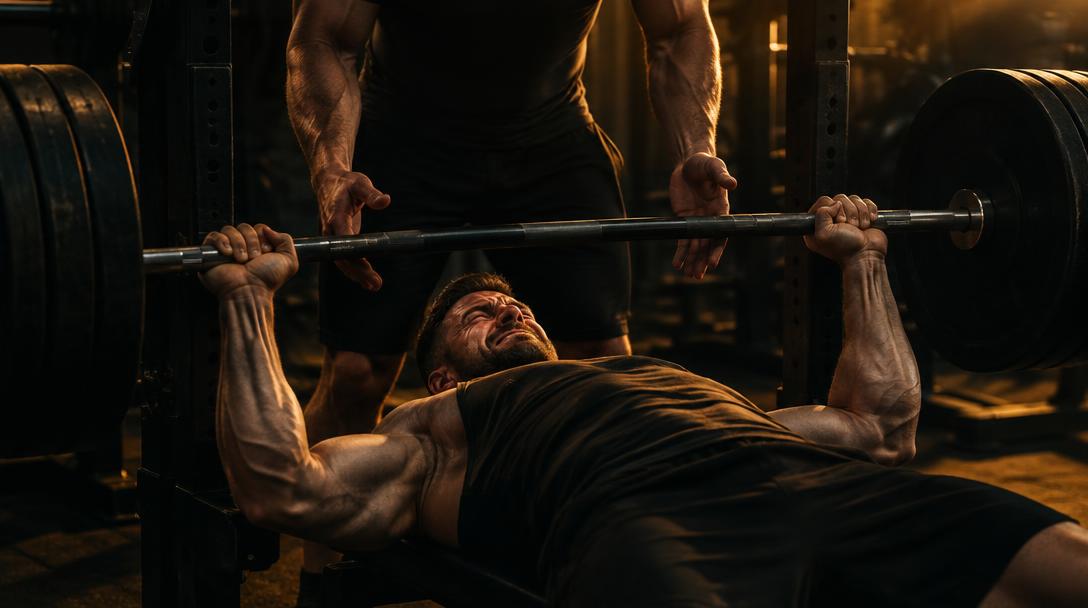
Training to failure →
Proximity to failure describes how close each set is taken to muscular failure. Hypertrophy improves as sets get closer to failure, while strength gains depend less on it.
0 studies reviewed
Training volume →
Training volume (sets per muscle per week) is one of the main drivers of muscle growth. More volume generally produces more growth up to a point that depends on the individual.
4 studies reviewed
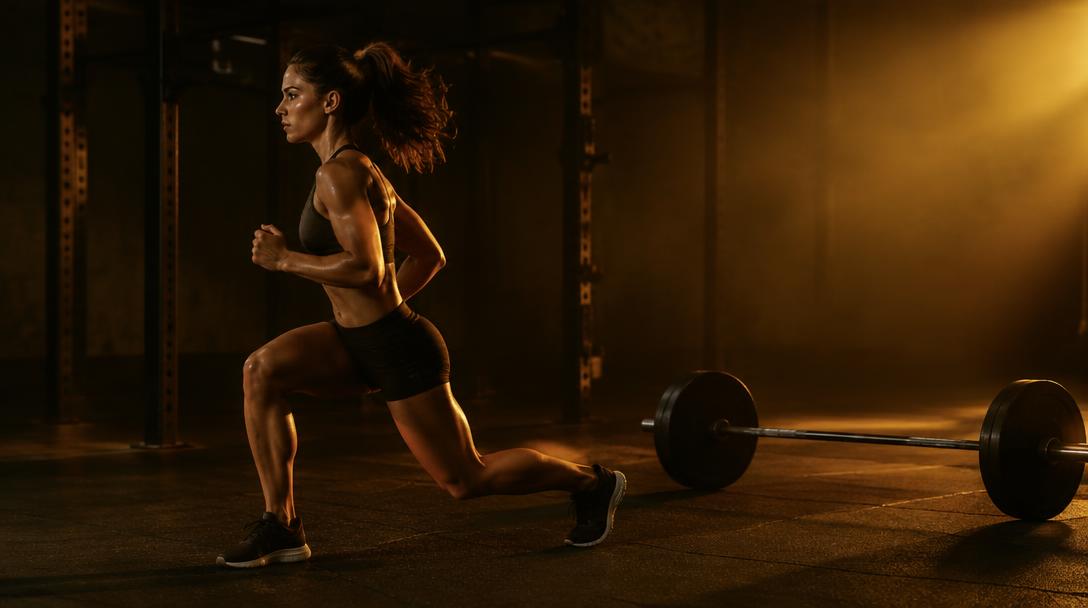
Warm-up →
A good warm-up raises muscle temperature and prepares the nervous system. Specific warm-up sets with the lift you are about to do improve performance.
13 studies reviewed
Medical disclaimer
Tozemoon is not a medical provider, and its authors are not physicians, dietitians or licensed healthcare professionals. All content, calculators, tables and protocols on this site are provided for general information and education only. They are not medical, nutritional or health advice, diagnosis or treatment, and do not create any professional relationship.
Results from calculators are rough estimates based on published averages and may not apply to you. Individual responses to supplements, caffeine, diet, cold exposure and training vary widely, and some can be dangerous for people with heart, kidney, liver or blood pressure conditions, during pregnancy or breastfeeding, for minors, or when combined with medication.
Always consult your doctor or a qualified healthcare professional before acting on anything you read here. Never ignore professional medical advice or delay seeking it because of this content. If you experience chest pain, palpitations, dizziness or any worrying symptom, stop exercising and seek medical help immediately. You use this information at your own risk; Tozemoon accepts no liability for any consequence of its use.